
How to Brief a Designer for Your Event (Without Driving Them Mad)
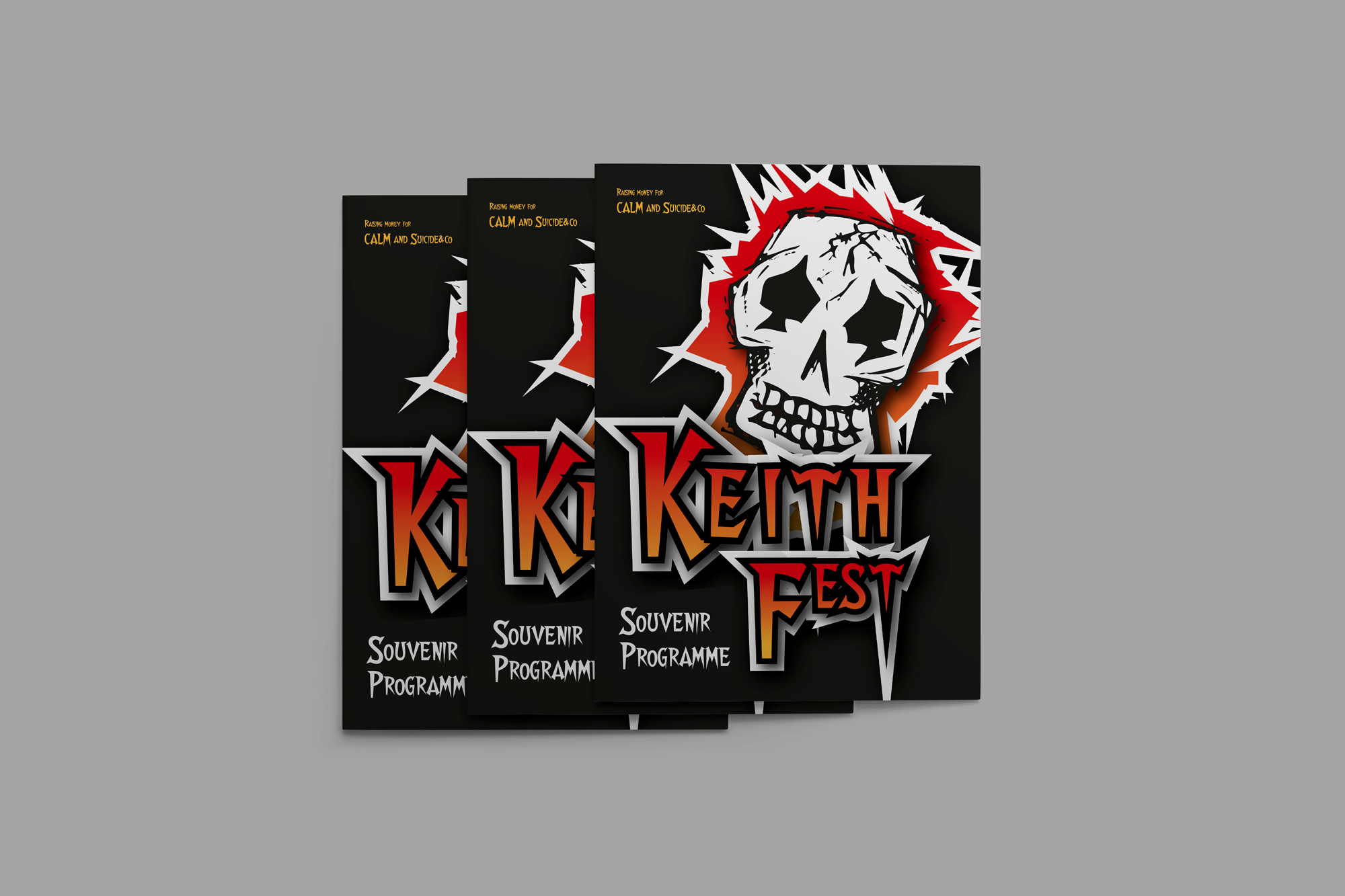
Event programme design - one of the most common briefs I work on
There are two emails I dread opening.
The first is a 47-slide deck with mood boards, brand archaeology, and a colour palette extracted from a sunset photo taken in 2019. The second is one line: "Hi! Need a poster for our event next month, make it pop x"
Both come from lovely people. Both make my job harder than it needs to be. And both are completely avoidable once you know what a designer actually needs to do their best work for you.
If you're organising an event and about to brief a designer for the first time (or the tenth), here's what genuinely helps - and what you can stop stressing about.
The five things every designer needs upfront
You don't need a 4-page document. You need to be clear on five things:
The date. Not just when the event is, but when you need the designs. Real dates, not "ASAP."
The audience. Who's coming? A 70-year-old theatre patron and a 22-year-old festival-goer respond to very different design choices.
The deliverables. What do you actually need? A poster, a programme, social tiles, signage, a wristband? List it all, even the bits you think are obvious.
The tone or feel. Playful? Polished? Edgy? Classic? You don't need design vocabulary - words like "warm," "bold," or "celebratory" are perfect.
The budget. Yes, really. We'll come back to this one because it's the bit everyone tiptoes around.
If you can answer those five questions in a single email or shared doc, you've already done 80% of the work.
Why "make it pop" sets you up to fail
"Make it pop" and "I'll know it when I see it" are the two phrases that quietly torpedo more design projects than anything else.
The problem isn't that they're vague. It's that they put all the guesswork on the designer. I end up creating three or four directions, hoping one of them lands, and then we waste two rounds of revisions narrowing down something we could have nailed at the start.
Specific is your friend. "We want it to feel like a Sunday morning farmers' market - warm, handmade, a bit nostalgic" is gold. It tells me about colour, texture, typography, and mood all at once, without you needing to know a single design term.
If you're stuck for words, send me three things you like and tell me why you like them. Which leads neatly to...
Show me designs you love (yes, really)
I genuinely love it when a client sends me examples of work they admire. It saves me from trying to mind-read, and it lets me design with your taste already in the room.
A few things to bear in mind:
It doesn't need to be from your industry. A theatre company can absolutely show me a record sleeve they love. The reference is about feel, not direct comparison.
Tell me what you like about it. "I love the colour palette" or "the typography feels confident without being shouty" is way more useful than just sending the link.
Don't worry about being wrong. If you send me five things and three of them clash wildly, that's still useful information. It tells me you're drawn to variety, or that you're still figuring out your preferences.
The one thing I'd gently steer you away from is sending a direct competitor's work and saying "make it look like this." That's not a creative direction; that's a copy job, and it never serves your event well. By all means show me a competitor whose vibe you like, but tell me what's working - then trust me to take you somewhere distinctive.
The budget conversation (it's not as scary as you think)
Budget is the bit clients flinch at, and I get it. There's a worry that naming a number means getting less for it, or being judged.
Here's the truth: I'd much rather know your budget upfront than design something that's three times what you can afford. Telling me you've got £500 doesn't mean I'll automatically charge £500. It means I can recommend the right package, scale the work to fit, or tell you honestly if it's not enough and suggest what is.
If you genuinely don't know what your budget is yet - which is completely fair, especially for first-time event organisers - just say so. We can have a quick chat about what your event needs and roughly what that costs. No pressure, no commitment. (My packages page has clear starting prices for exactly this reason - so you can ballpark before we even speak.)
Keep it all in one place
One shared Google Doc beats thirty emails every single time.
Pop your brief into a doc, add the references, drop in any logos or assets, and share the link. As things evolve - and they always do - update the doc rather than firing off another "oh, one more thing!" email. It keeps both of us sane and means nothing important gets lost in a thread from three weeks ago.
Briefing is a two-way street
Here's the bit most "how to brief a designer" articles miss: it's not all on you.
A good designer should be asking you questions back. When I take a brief, I'll usually want to know things like: what's worked and what hasn't at past events, who you're trying to reach that you haven't before, and what success looks like for this event specifically. If your designer isn't asking those things, that's a flag worth noticing.
The best briefs aren't documents. They're conversations.
Ready to brief your next event?
If you're staring at a blank page wondering where to start, you don't have to figure it out alone. I offer free 15-minute chats for exactly this - no commitment, just a friendly conversation about your event and what you're hoping to pull off. Sometimes that's all it takes to turn a fuzzy idea into a clear brief.
And if you'd rather see what's involved before getting in touch, my services and pricing page walks you through how I work, what's included, and what to expect at every stage.
Bring me your messy notes and your half-formed ideas. That's where the good stuff starts.